This is a MEDIUM series based on my current work-in-progress, a memoir (working title: VALID) that is based on my years at Phillips Academy Andover. I will be adding to this series on a weekly basis. It will include my memories, thoughts, ideas, and theories about education, knowledge, identity, and creative expression.
Author: Stephanie Han
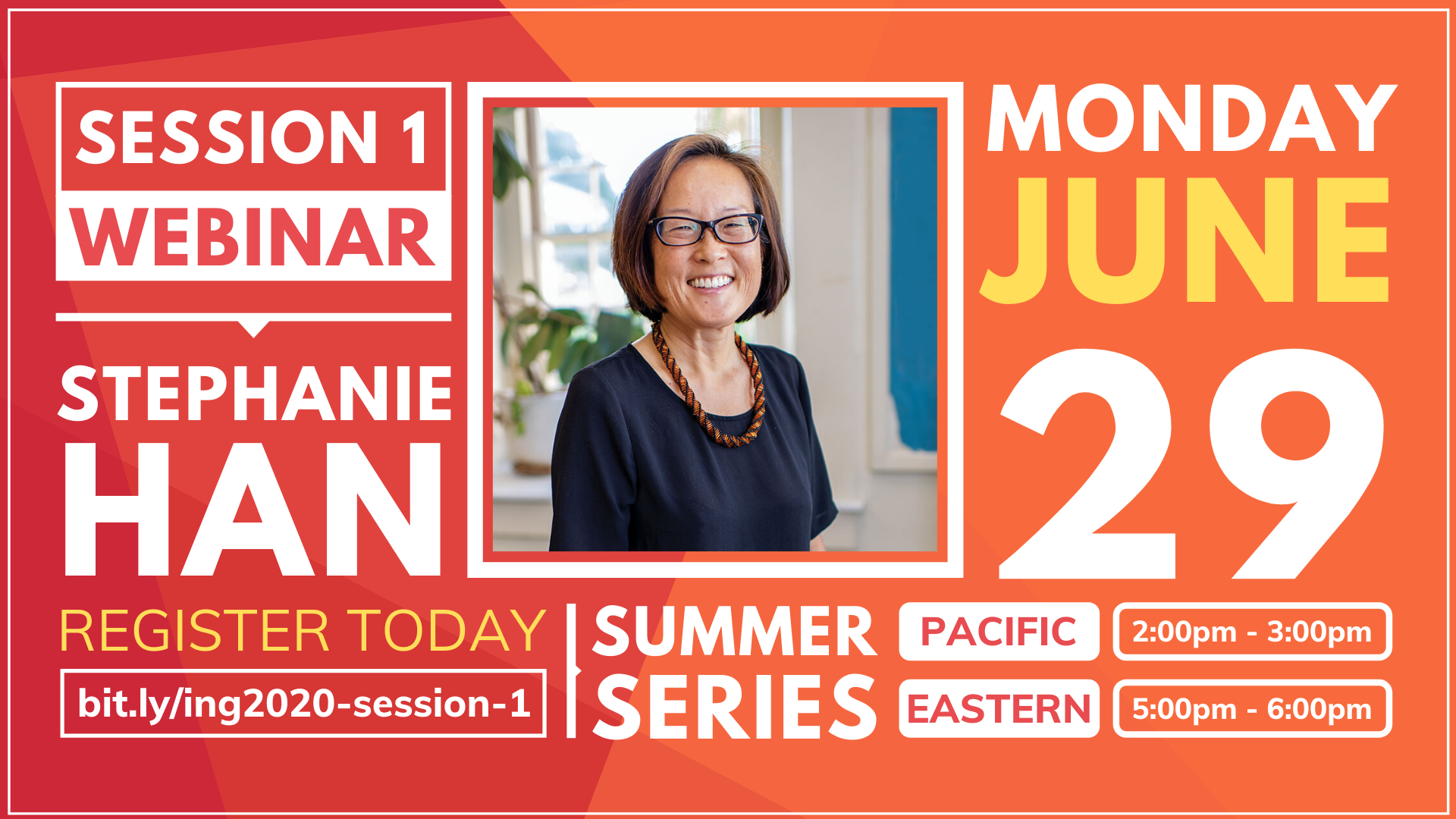
I was really excited to be a part of the Council of Korean Americans summer fellowship program IGNITE. I delivered lectures on Korean American literature and identity, and narrative writing workshops on family and gender.
This is a fantastic program for Korean Americans interested in understanding their roles and dreams within the United States and beyond. Many different questions and ideas were raised. For me personally, as a 3rd/4th generation American, this was a great experience in that I could teach to a community that I understand in terms of cultural experience and outlook.
Most people do not understand the challenges that arise when you navigate outside of the master narrative—how do you come to see yourself? How can you live as an individual, yet participate in the large framework of change and the constant move to redefine American life?
Have Your Own Dreams
The last two points I brought up were that firstly, people should feel that they can pursue their interests and be true to their individual identities—this is tough within a heavily Confucian culture, and secondly, how I felt it was important for people to see themselves, if only for a visit to Korea, outside of a white majority society. Representation and the visual and sensory reminder of anonymity delivers a sense of belonging, if only briefly. We always belong to more than one place.
There are so many ways we judge ourselves according to standards that we can never meet or ideas that are markers that we never created. We berate ourselves for not meeting expectations. This type of environment can lead to feelings of deep inadequacy, self-loathing, and confusion. I say this for all people of color, actually. It feels good to be a face in a crowd. Visit an ancestral land or continent. You would be surprised how it can reframe your perspective about yourself and the globe.
I was interviewed by Amanda Fletcher for the PEN podcast. Looking forward to seeing people in class next week!
Check out the podcast here:
1999 EV Dr. Stephanie Han is our next guest on the podcast. She talks to us about polyculturalism, protests, and the pandemic; our increased ability to conceptualize a narrative after the internet; and delivers an inspirational rant on why we write that’s worthy of a Ted Talk. Listen and then sign up for one of her creative writing classes this summer.
Looking forward to the upcoming lecture and workshop series with the Council of Korean Americans for the CKA-Public Service Internship program. I spoke with Dr. Abraham Kim on the CKA podcast about storytelling, family, and writing.
My lecture and workshop series will run from June 22-July 1. I am really excited to meet and work with young Korean Americans who are engaged in areas of public service and civic involvement. Community building is important to me.
We Create the Story of Our Lives.
I am so excited to have Swimming in Hong Kong chosen as a book club selection for the Nana-Ama Danquah Books & Booze hour! I’ll be zooming in the second half of the meeting! Please join and you don’t have to have read the book!
Last days of school. Given that it will be my last week of teaching at this school I decided to talk about what I believe are the two most significant requirements for good writing.
- You need to have something to say.
This first element of good writing is not easily obtained in a classroom setting. Classes and teachers give you the tools to begin to ask questions, but they cannot teach you what to say. If you get into that area, you’re moving into indoctrination and I’m not a big fan of proselytizing. Having something to say is really one’s personal journey in life and one’s ability to question, to be curious. It’s wrapped up in one’s desire to seek an emotional truth and understanding of one’s existence, one’s purpose, one’s raison d’être, if you will.
English class can give you the tools to think about that stuff, teach you how to ask questions, but you won’t come to your emotional truth in English class. If you do, that would be fascinating in and of itself, but I tend to think emotional truths are more likely to strike in communion with the natural world or in quiet contemplation (though I am sure some would argue truths can happen in loud nightclubs).
The second requirement to good writing:
- You need to have an understanding of basic writing skills.
This is the stuff you learn in class! That’s what the study of English literature and writing can accomplish.
What else?
A. Keep the reader in the dream
Know the rules of writing (and after knowing, you can break them) so that the reader believes in where you are taking them.
B. Know your voice matters
Often if you have not seen someone who looks like you do or who has had your experiences appear in a book or onscreen, you have a problem knowing that you have a right to narrate your story. You do. You’re just a pioneer. Get used to this. For many women and people of color this is challenging–to put themselves out there and tell a story. They often want to hide behind stories that were already told. These stories may be good, but they are different than the stories that the person would normally tell if she wasn’t so self-conscious.
C. Dream
The more you can imagine, the more potential you have to create and invent, and this makes for a more interesting story. It makes for a more interesting person which makes a more interesting story.
D. Read. Period.
The more you read, the better you will write. Read for fun. Not for misery.
That’s it! You can write well! Just keep repeating these ideas to yourself and following through with them. You will get the results you want:) I promise.
We Create the Story of our Lives.
Password: danquah