Dr. Stephanie Han reads My Friend Faith 1977 from her book, Swimming in Hong Kong.
Categories
PBS Hawaii Get Caught Reading
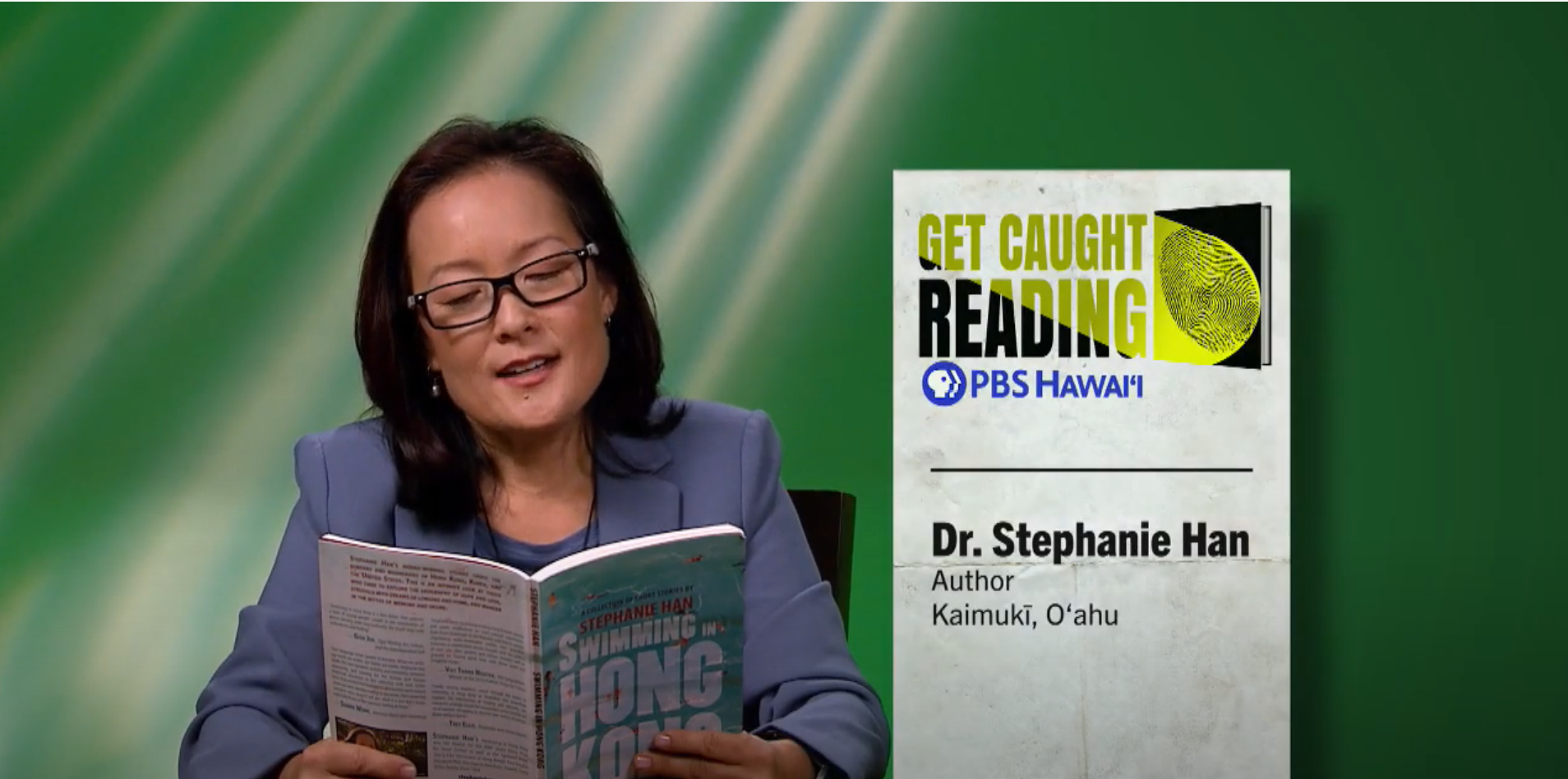
Dr. Stephanie Han reads My Friend Faith 1977 from her book, Swimming in Hong Kong.
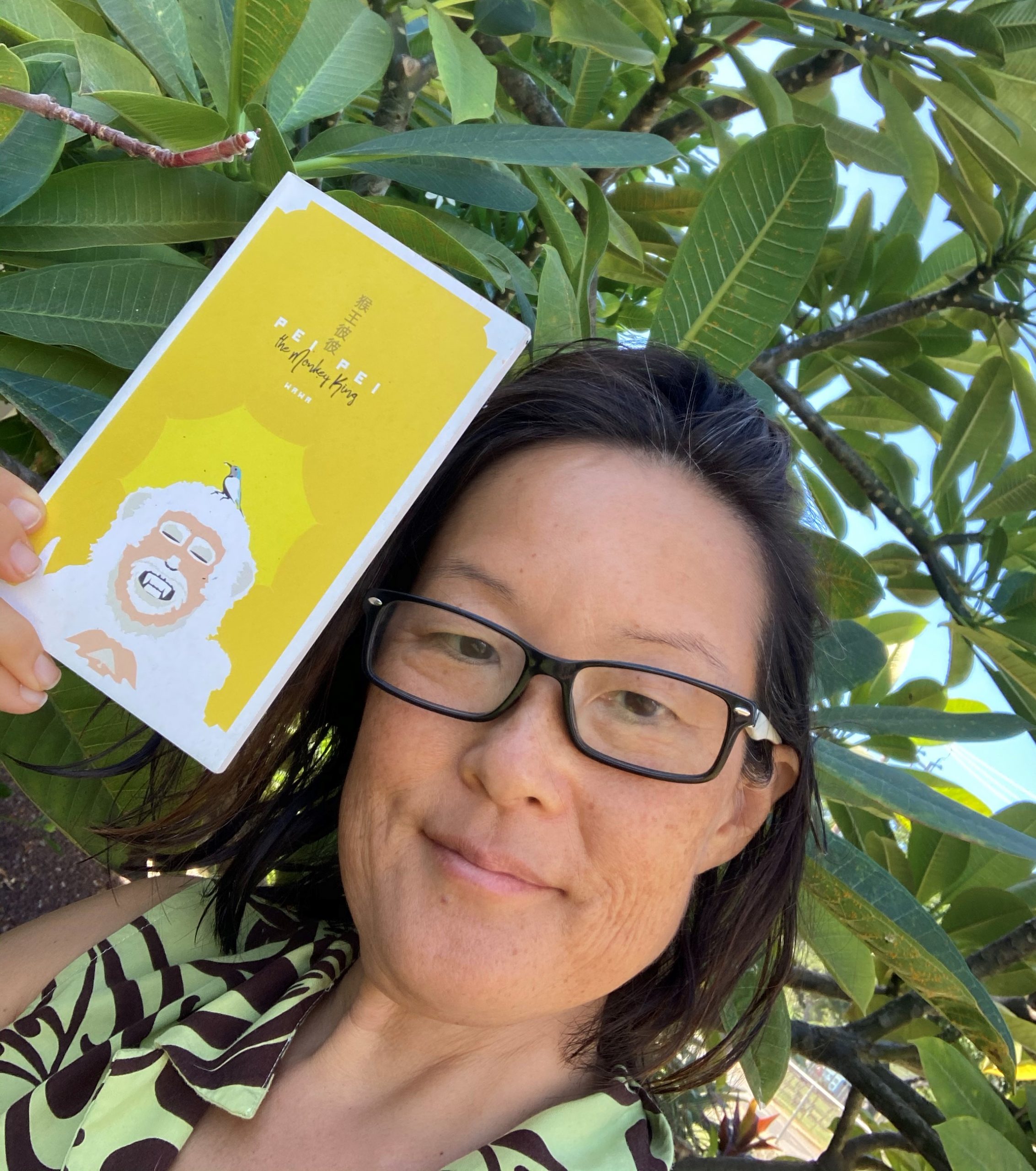
Aloha! It’s time for Monday Books and today it’s a collection of poetry–Pei Pei the Monkey King by Wawa.
Wawa writes in both English and Chinese and also publishes under Lo Mei Wa. This book references the 2014 Umbrella Revolution and features poems in both English and Chinese, along with an introduction by translator/poet Henry W. Leung and an interview with Wawa. These poems are playful, exuberant, and distinctly Hong Kong in their references to myths and locale, and the complexity of feeling that the poet expresses for her place of origin.
This is a highly teachable collection. The song, rhythm, and intelligence of Wawa/Lo Mei Wa’s poetry prompts student curiosity about Hong Kong, and its people’s dreams and desires.
Understand that the action and language of revolution is often viewed in terms of masculinity, but this voice tells us that there are personal angles within the political, and that women’s contributions to the narrative of societal change are significant and distinct. Read it!
Register now for classes at drstephaniehan.com
~empowering women through narrative~
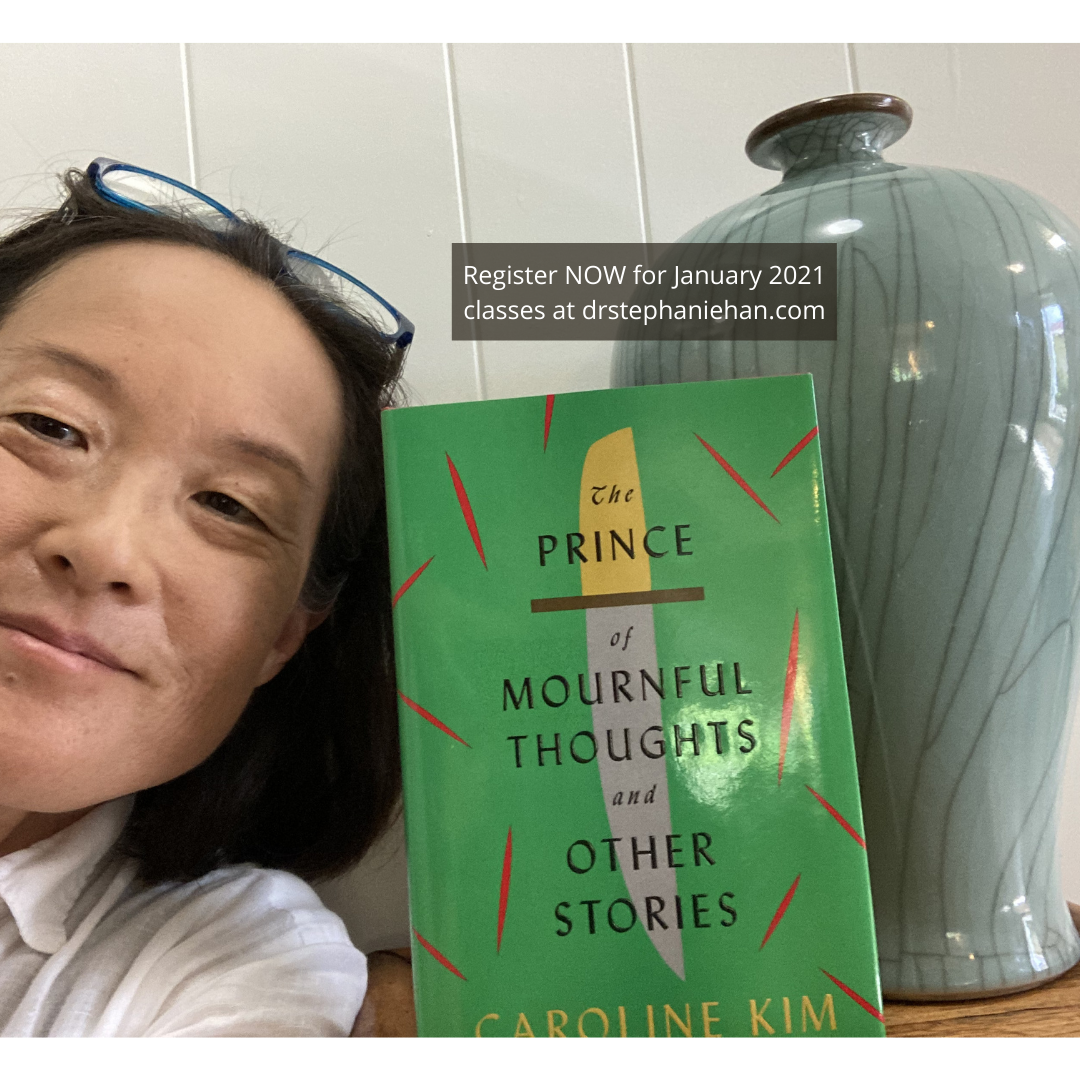
Aloha! I want to recommend The Prince of Mournful Thoughts and Other Stories by Caroline Kim. This is literary fiction, and in its craft and worldmaking is literary realism at its best. The stories cover a range of times, places, and characters—but the book’s central characters are unapologetically Korean or Korean American. This is the book’s strength.
I believe due to the proximity of whiteness, Asian American literature frequently navigates out of the space of the specificities of their group’s experiences, and what then follows is an explanation of the group or cultural ideologies or situations to a broader (white) audience. Kim has little inclination to do this; instead, she pulls the audience into the Korean/American experience. Thematically, this book thematically points to the Korean idea of han the belief of resilience and endurance. Pathos and blues. Memory, connection, and longing. There is no translatable English equivalent to han. It is distinctly a Korean expression and idea. Kim’s stories have this quality. Lyrical. Aching. Transcendent. Kim has a distinct literary voice.
This is a serious and weighty book and the crafting of each story is a remarkable testament to writerly technique. These are also teachable stories, so I recommend them to teachers – grades 11/12 on up. Formidable writing. Read it!
Become the author you want to be. Honor your voice. Learn craft, narrative, and register for classes at drstephaniehan.com.